The project “Travels of the Nobility” has been launched in Telč
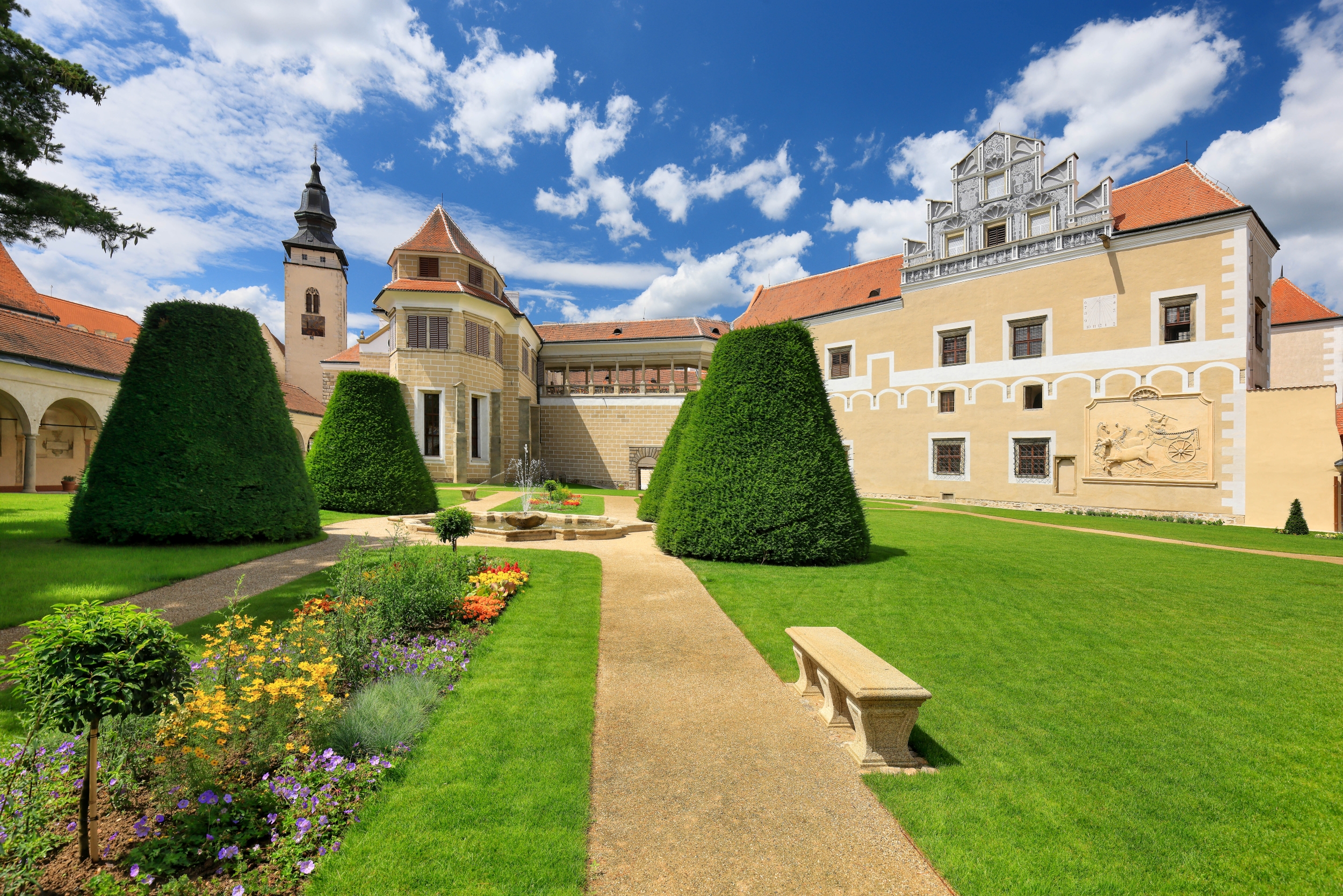
The Telč Chateau hosted the ceremonial opening of the 16th annual project of the National Heritage Institute on Thursday, 23 April 2026. This year’s edition of the long-running series In the Footsteps of Noble Families carries the subtitle Travels of the Nobility. Telč was chosen as the venue thanks to a newly restored tour route presenting the lives of the château’s last owners, in which the theme of travel plays a significant role. More than forty heritage sites across the Czech Republic are participating in the project. For example, the Horšovský Týn Castle and Chateau will introduce a tour dedicated to Mitsuko Coudenhove-Kalergi, while a new exhibition titled Travel Fever at Červené Poříčí Chateau explores how the nobility discovered the world. Visitors can look forward to new exhibitions, special tours, and cultural events presenting travel as an essential part of aristocratic life.
The Travels of the Nobility project introduces the public to travel as a key aspect of aristocratic life, especially during the “long 19th century,” when the expansion of railways, steam navigation, and early motoring fundamentally transformed mobility and exploration. It focuses on the motivations behind noble travel, their destinations, and how these experiences influenced everyday life, representation, and the form of aristocratic residences now managed by the National Heritage Institute.
“Travel had long been an important part of noble life before it became common for broader society. Originally linked to estate management, diplomacy, and education, it gradually evolved into a means of exploring the world and shaping social identity and lifestyle. Experiences gained abroad left a strong imprint on aristocratic residences and their collections. This year’s project shows that traces of the wider world can also be discovered in our heritage sites,” said Director General Naďa Goryczková.
The project Travels of the Nobility will run throughout the 2026 visitor season, offering dozens of exhibitions, themed tours, and accompanying events across the country.
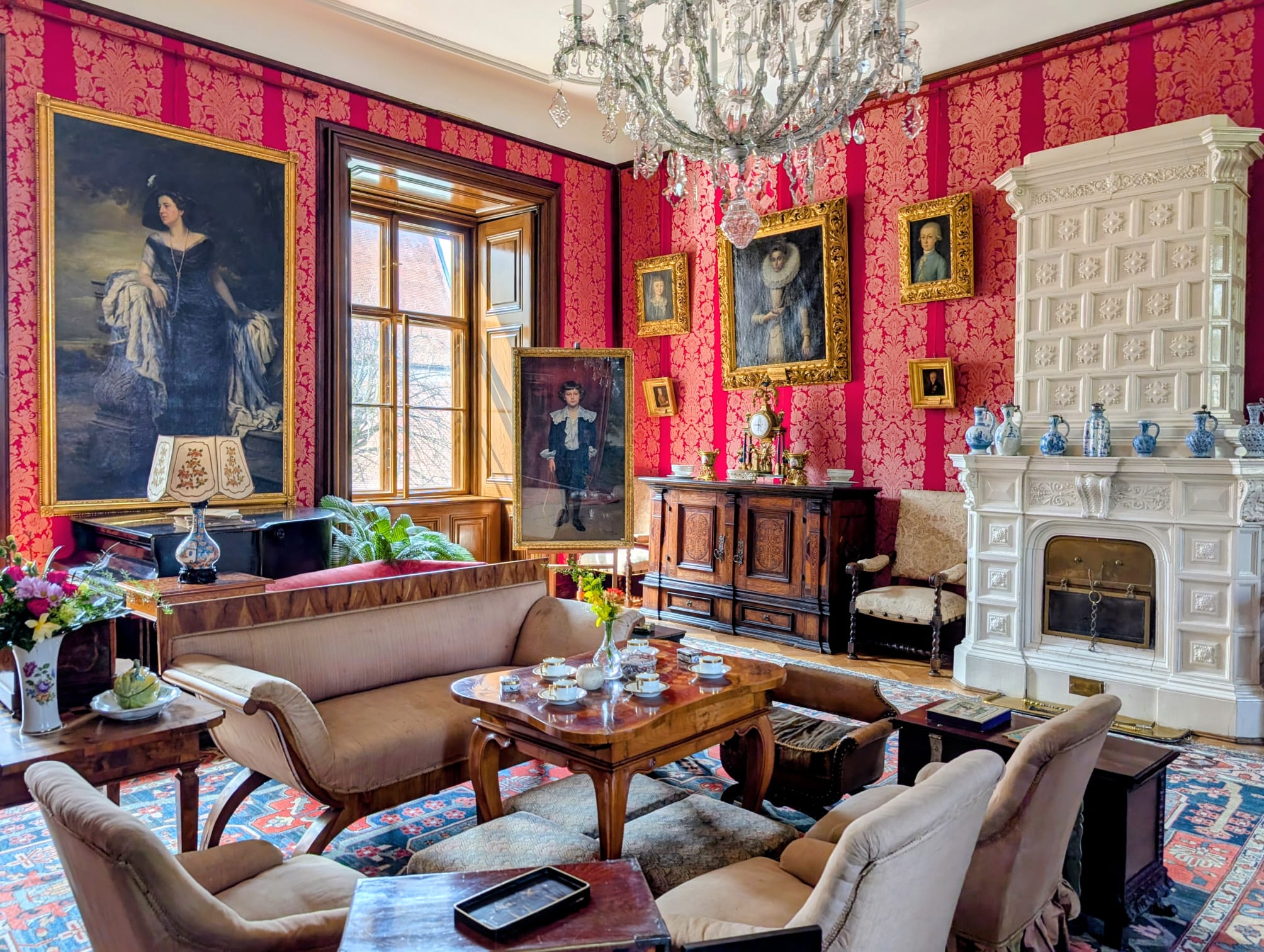
The choice of Telč as the launch site is no coincidence. In recent months, an extensive restoration has been completed along with a new installation of the tour route Living Quarters of the Last Château Owners, one of the key outputs of this year’s project. This exhibition directly addresses travel as an integral part of aristocratic life, presented through the example of the Podstatzky-Lichtenstein family.
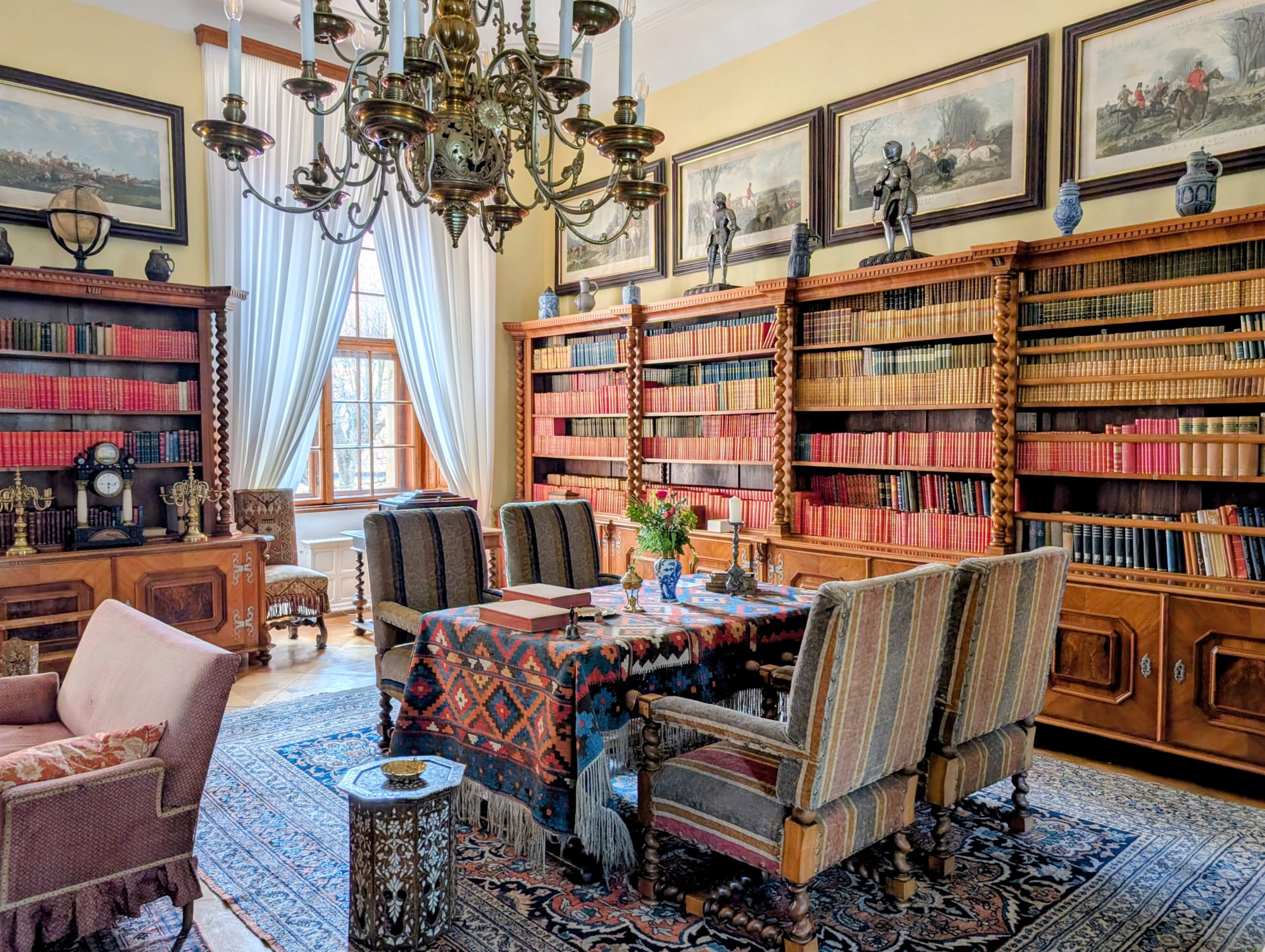
The apartment on the second floor has been restored to its appearance after 1931, when the last major structural modifications took place. Post-war developments had significantly degraded these interiors: original elements were removed, layouts altered, and rooms stripped of their furnishings. The current restoration therefore involved comprehensive building, conservation, and installation work, including the reconstruction of window openings, wooden wall paneling, floors, shutters, and doors. Selected rooms—such as the dining room, salon, dressing room, and entrance hall with staircase—have regained their historical decoration, and the salon features a replica textile wallpaper based on surviving fragments.
The interiors were recreated using period photographs and inventory records, restoring their authentic character. The tour now includes original furnishings complemented by objects documenting everyday life and travel activities of the family—from souvenirs and books to historical photographs. Visitors will also notice personal items belonging to the last owner, including garments such as wedding dresses, suits, coats, and hats.
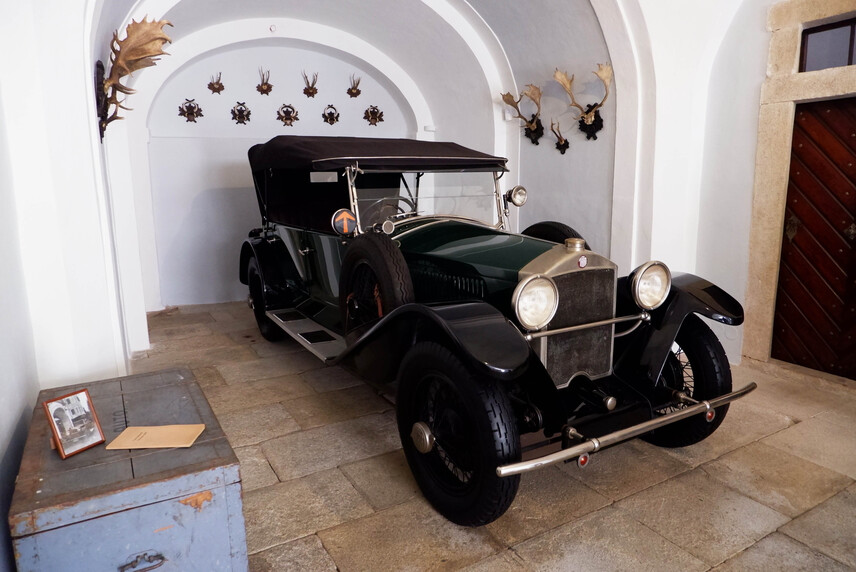
A standout exhibit is a Tatra 17 phaeton, on loan from a private collector, representing the type of car the family used for their travels in the late 1920s. The National Heritage Institute is also seeking to acquire the original vehicle once owned by the family.
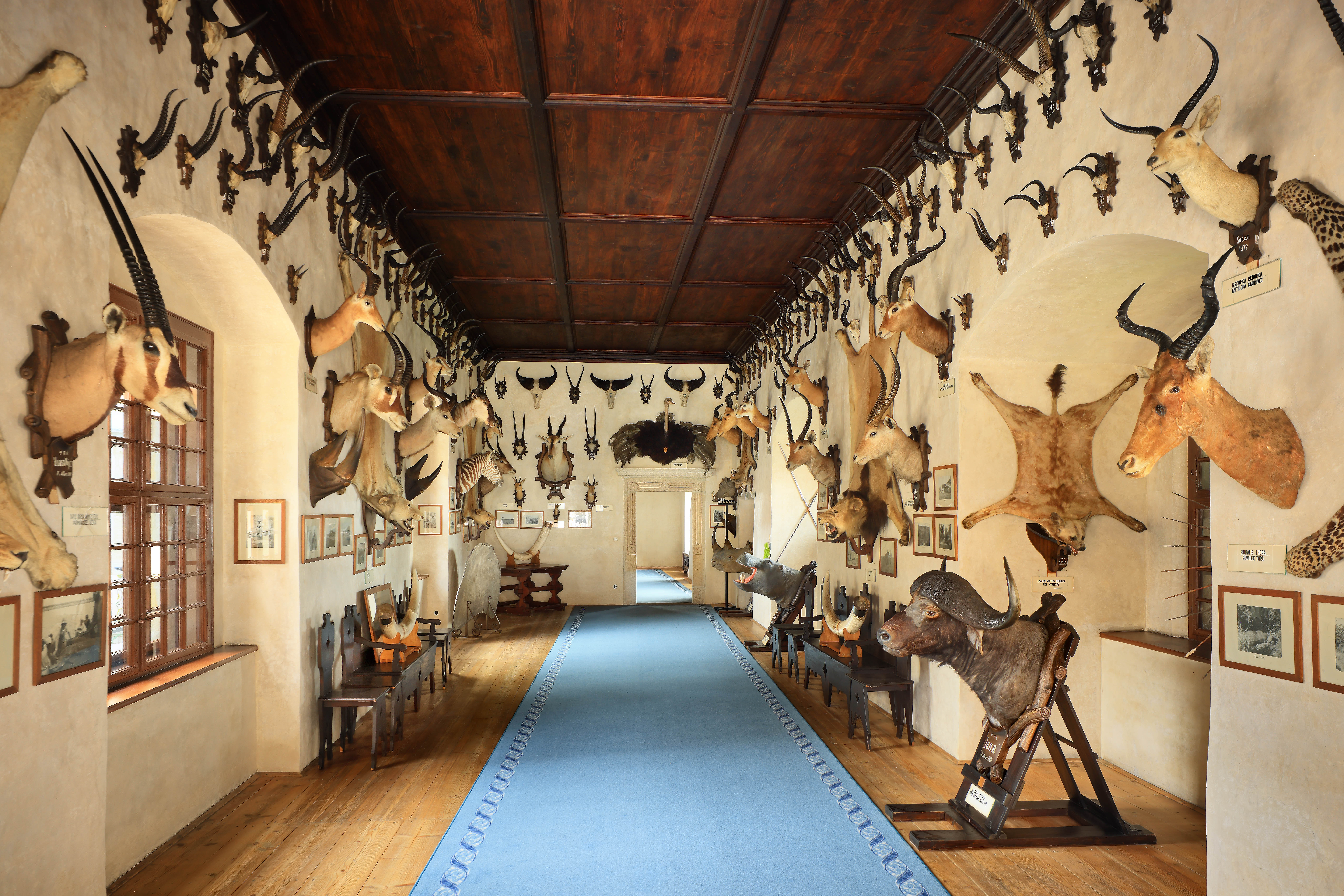
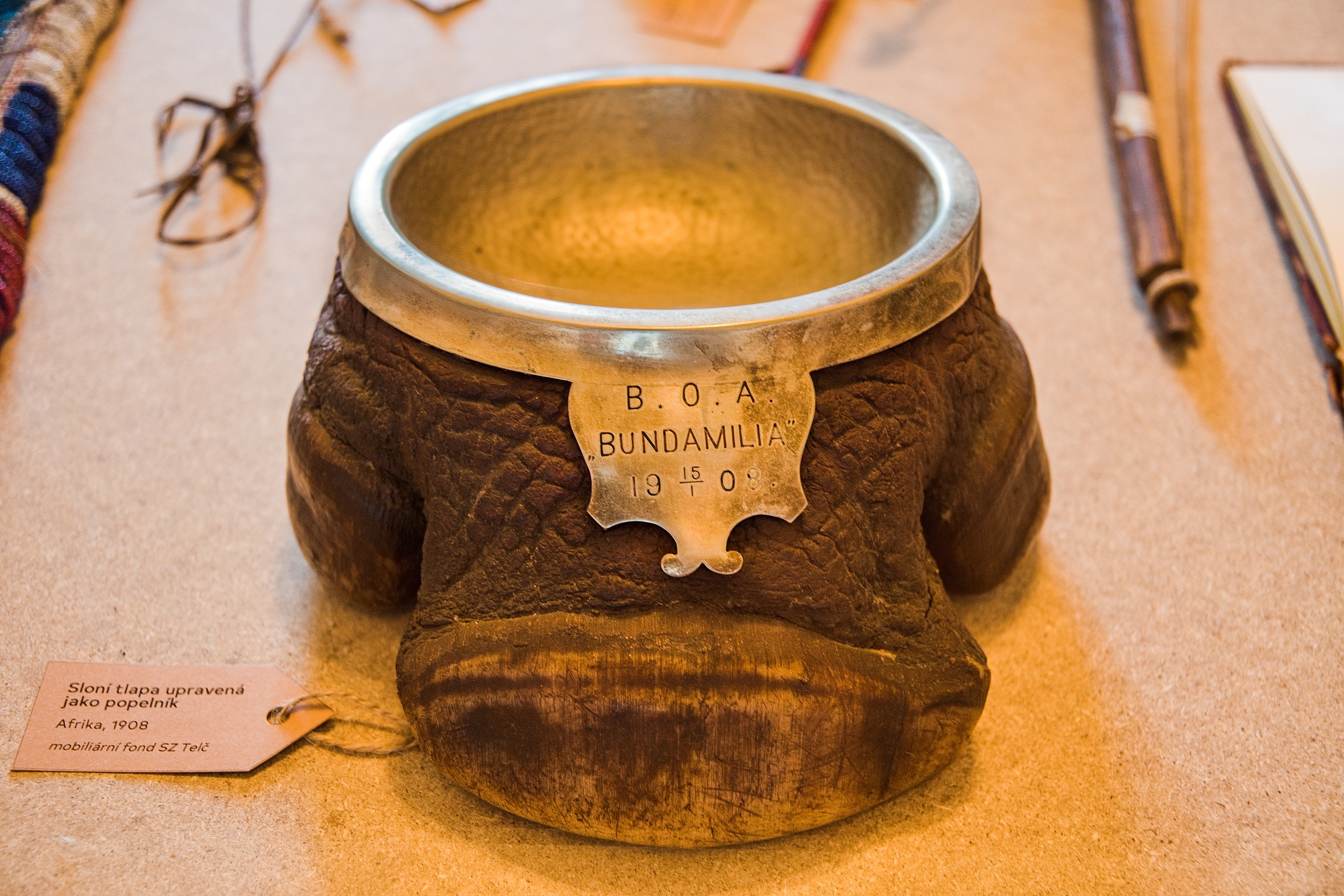
Another important chapter related to travel is the story of Karel Podstatzky, who undertook several expeditions to Africa in the early 20th century. He brought back an extensive collection of hunting trophies and ethnographic objects documenting indigenous hunting practices, such as bows, arrows, and daggers. Installed in one of the Renaissance halls after 1932, the collection became a defining feature of the château’s interior. This year, the African Hall was refurbished to more faithfully reflect its historical appearance, including the restoration of twenty hunting trophies and the addition of selected indigenous weapons.
The restoration of the tour route, including construction and conservation work, cost a total of CZK 1,622,170. Of this, CZK 909,545 was funded by a grant from the Czech Ministry of Culture as part of the In the Footsteps of Noble Families project, with the remainder covered by the château’s budget.
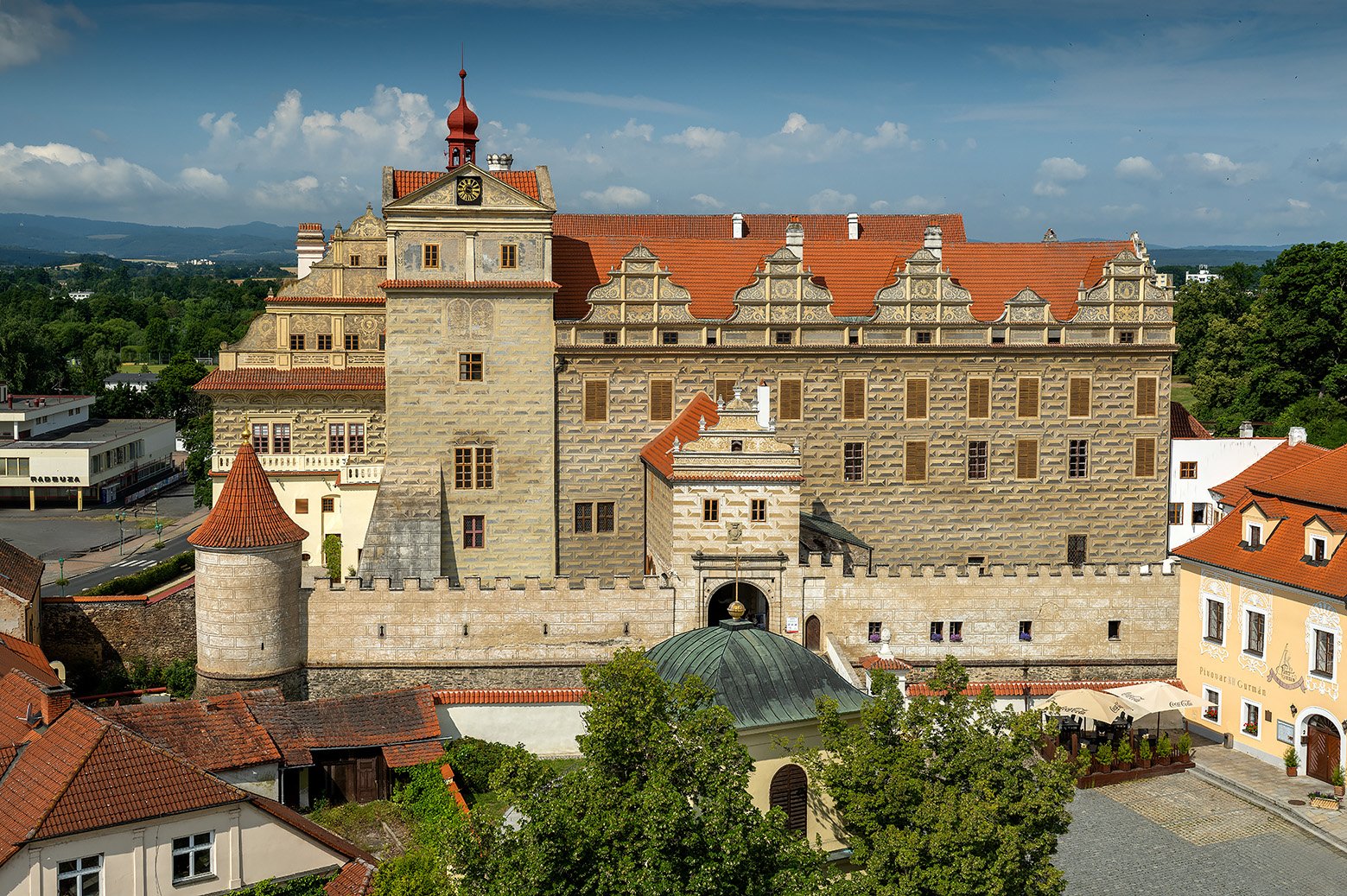
More than forty sites managed by the National Heritage Institute are participating in Travels of the Nobility. At Horšovský Týn Castle and Chateau, a renewed tour dedicated to Mitsuko Coudenhove-Kalergi opens on 1 May. At Červené Poříčí Chateau, the exhibition Travel Fever: When the Nobility Set Out into the World has been on display since early April. Other sites—including Konopiště Chateau, Opočno Chateau, Libochovice Chateau, Kynžvart Chateau, and Březnice Chateau—present the theme through preserved collections, personal stories, and adapted tour routes.
Visitors can also enjoy themed exhibitions and special tours. Bouzov Castle will highlight aristocratic travel through historical guest books, while Buchlov Castle and Buchlovice Chateau present the travels of the Berchtold family. Hradec nad Moravicí Chateau offers guided tours focused on collections from Japan and China. At Janovice u Rýmařova Chateau, visitors can see a unique Turkish Salon furnished with items from the Náprstek Museum. Raduň Chateau will host a multimedia exhibition Memories of Africa from June, recounting Gebhard Blücher’s journey to South Africa in the 1890s. Lysice Chateau introduces the writer Marie von Ebner-Eschenbach and the travels of naval officer Erwin Dubsky.
The project also includes activities for younger audiences, such as the nationwide art competition Children for Heritage, Heritage for Children – Travels of the Nobility and a travel-themed game in the château park at Slatiňany Chateau.